When drain cleaning is not enough and the sewer line needs repair
A cleaning clears the pipe, while a repair fixes the pipe, and knowing which one you need keeps you from repeating the same call.
October 7, 2026 · 4 min read
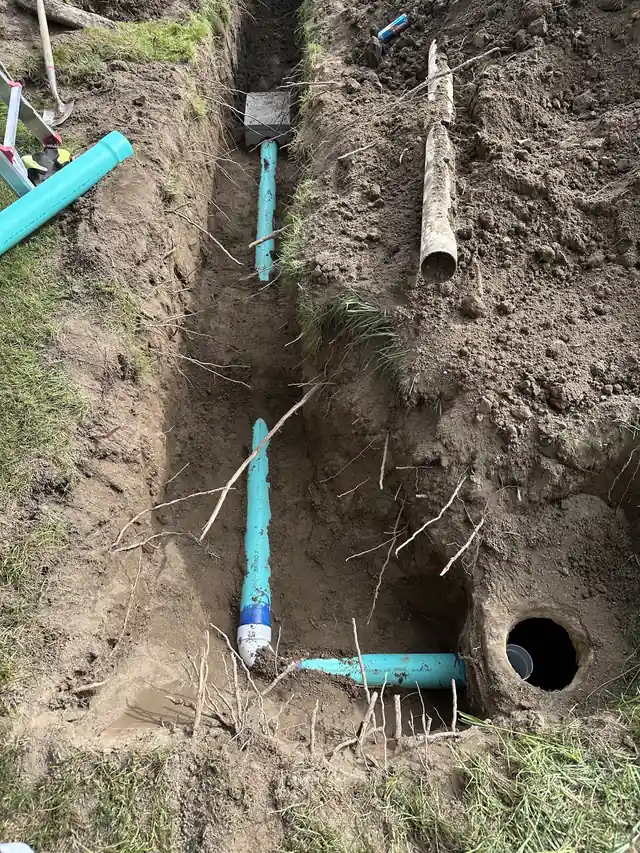
A drain cleaning is the right call for most blockages. It is quick, it is far less disruptive than digging, and it often solves the problem for good. But a cleaning only removes what is inside the pipe. If the pipe itself is broken, cracked, collapsed or full of roots, flow comes back for a while and then the line backs up again. At that point another cleaning treats the symptom and leaves the cause in the ground.
How to tell a one-time clog from a failing line
CSR Plumbing's guidance on recurring clogs is that they can come from grease, roots, scale, poor slope or damaged pipe. Grease and scale are cleaning problems. Roots, poor slope and damaged pipe often are not. These signs suggest the line itself needs a closer look:
- Several fixtures backing up together, not just one.
- Main-line clogs that return after a cleaning.
- Roots or soil removed on the cable during cleaning.
- Sewage odors, or wet ground along the route of the buried pipe.
- Settling or a dip in the ground above the buried piping.
- Older clay or cast-iron pipe with repeat failures.
Why roots and soil get into old pipe
Roots usually do not break through healthy pipe. They follow moisture and nutrients to a joint or a crack and grow in through it. Older clay sewer pipe was laid in short sections, which means many joints along a line, and a joint that has shifted or deteriorated gives a hair-thin root a way in. Once inside, the root grows into a mass that snags paper and waste. A cable can cut it back, but the opening it came through is still there, and the roots return.
Cast iron fails differently. It corrodes from the inside, building rough scale that narrows the pipe and catches debris, and over decades a section can crack or collapse. Soil on the cable is a stronger signal still. It means the pipe wall is open somewhere and the ground is falling in. CSR lists tree roots, corrosion, broken fittings, collapsed pipe and poor slope as the usual causes of repeat sewer backups.
A repair is not always a full replacement
Many people hear sewer line repair and picture the entire line dug up from the house to the street. That is not always the job. When customers ask CSR Plumbing whether one broken section can be repaired, the answer is often, yes. The technician works to identify the problem area, explains the access, excavation, new piping and any permit needs, and discusses whether the trouble is one damaged section or widespread deterioration.
Both outcomes exist. One cracked joint under a lawn is a targeted repair. A line that is corroded or full of roots along most of its length is a different conversation, because patching one spot while the rest is failing only moves the next backup a few feet down the line. The honest answer depends on what the pipe actually looks like, which is why an assessment comes before a decision.
Why digging happens
Sewer pipe is buried, and most failures cannot be fixed from the surface. CSR's sewer page is direct about it: many repairs require excavation to expose the failed pipe. The scope of a project may include locating utilities, excavation, new piping, testing, permits and inspection. Utility locating comes first so that no one digs into a buried gas, power or water line.
The photo above comes from CSR's own job photos. It shows an excavated sewer trench with new green PVC line in place, the old pipe pulled out, and roots still visible in the soil. That is what a root-damaged line can look like once it is exposed, and it explains why a cable alone could not have fixed it.
Replace, connect and test before the site is closed
A repair is not finished when the new pipe is in the ground. CSR's process on sewer work is to identify the problem area, plan the repair, then replace, connect and test. New piping is installed, joined to sound material and tested before the site is closed. Joining to sound material matters, because new pipe connected to a crumbling old section just relocates the weak point.
Questions worth asking before you decide
- What did the technician find on the cable: grease, roots or soil?
- How old is the pipe, and what is it made of?
- Is the damage in one section or along the length of the line?
- What will excavation involve on my property?
- What gets tested before the trench is closed?
A clear answer to each of those is what CSR's approach is built around: inspect the accessible plumbing, explain what is found, and discuss the work before an approved repair begins. You should never be asked to approve a dig without understanding why the cable could not do the job.
If your sewer line in Yakima or the surrounding valley keeps backing up, call CSR Plumbing at (509) 480-2536. CSR is available Monday through Friday, and calling during weekday business hours is the way to check the next opening. The office is closed Saturday and Sunday.
CSR Plumbing & Drain Cleaning, (509) 480-2536
Call (509) 480-2536More articles
Several drains backing up at once: what it means for your main sewer line
One slow sink is a local clog, but several fixtures misbehaving together is a different story.
Signs your main water line is leaking or failing
The pipe between the meter and your house is buried, so the first clues show up everywhere except at the pipe.